Colonel Michael Corcoran’s refusal to march his 69th Regiment before the Prince of Wales in 1860 was a defining moment in the history of Irish-American identity. His bold stand against what he saw as a betrayal of Irish dignity not only endeared him to his community but also solidified his legacy as a symbol of resistance and pride.
The Controversy
In the summer of 1860, Queen Victoria’s son, the Prince of Wales, embarked on a goodwill tour of Canada and the United States. When he visited New York City, the First Division of the New York State Militia planned to parade in his honor. Corcoran, commander of the 69th Regiment, requested to be excused from participating, citing the objectionable nature of the event for his Irish soldiers. His request was denied, but Corcoran stood firm and refused to march.
This act of defiance enraged the nativist factions in New York and resulted in formal charges being brought against him. A court-martial was convened to determine his fate. However, before a decision could be rendered, the Civil War erupted, and the charges were dropped as the nation turned its attention to the impending conflict.
Irish Pride and the Green Flag
Corcoran’s decision struck a chord with the Irish-American community. For many, the Prince of Wales symbolized British imperialism and the oppression their ancestors had fled. By refusing to honor the prince, Corcoran reaffirmed his loyalty to his heritage and his men.
In recognition of his courage, the Irish community presented the regiment with a new green flag featuring a sunburst and the inscription, “In commemoration of October 11, 1860.” This flag became a cherished symbol, carried into the Battle of Bull Run and beyond.
Corcoran’s Legacy
Corcoran’s actions elevated him to hero status among Irish Americans. When he was captured during the Battle of Bull Run, his imprisonment by Confederate forces was viewed as a sacrifice for both his regiment and his heritage. His eventual release only enhanced his reputation as a steadfast leader.
Corcoran’s defiance also set a precedent for the 69th Regiment’s unwavering dedication to both Irish and American ideals. It underscored the dual identity of the regiment: fiercely loyal to the United States while retaining deep ties to Irish history and culture.
A Symbol of Resistance
The refusal to march before the Prince of Wales remains one of the most celebrated episodes in the 69th Regiment’s history. It exemplifies the courage and conviction of its leaders and soldiers, qualities that have defined the regiment through its storied past.
Corcoran’s legacy as a hero and symbol of Irish-American pride endures in the traditions and values of the Fighting 69th. His story serves as a reminder that true leadership often requires taking a stand, even when it comes at great personal risk.
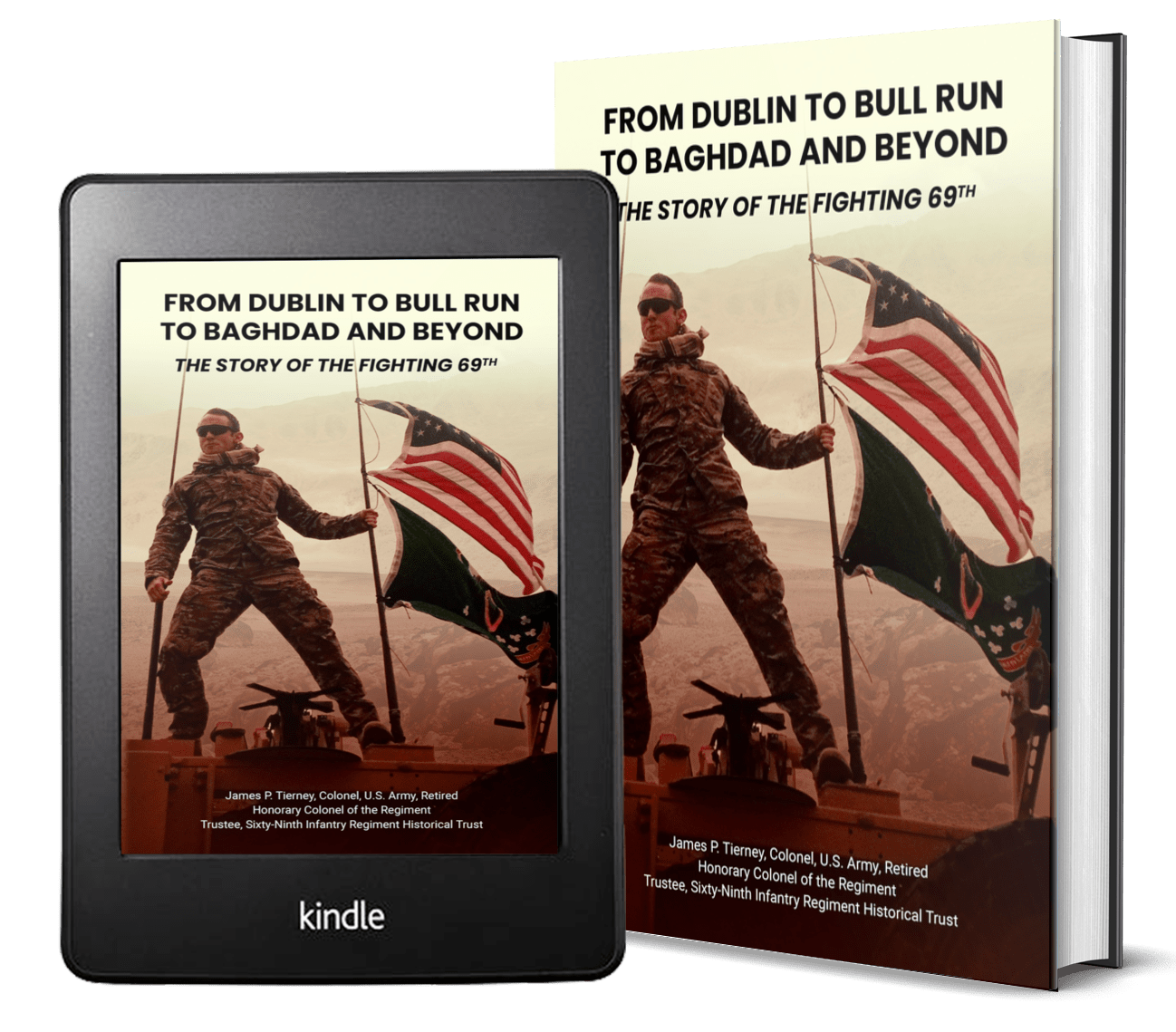
Book link: https://www.amazon.com/dp/1917553013